
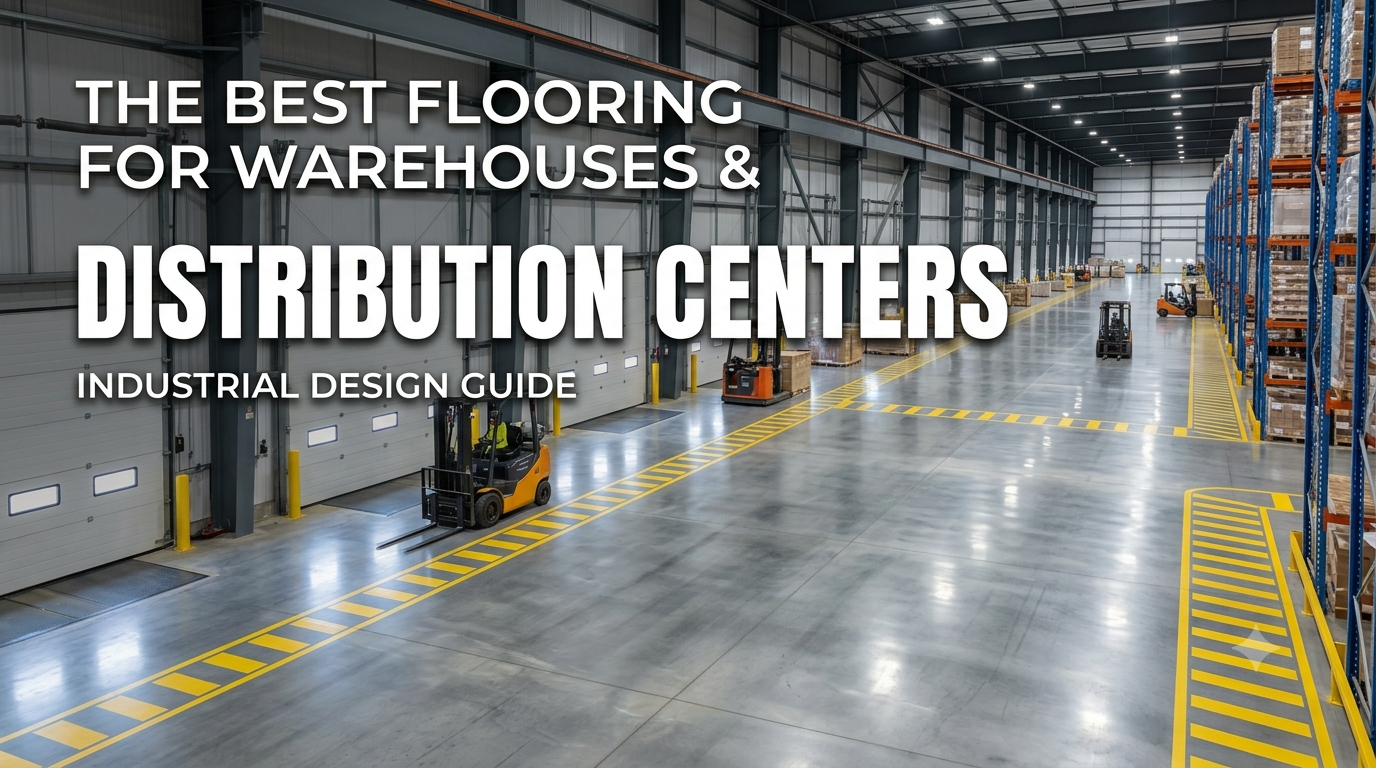
Warehouse and distribution center flooring has to support movement, weight, safety, and uptime. Forklifts, pallet jacks, carts, racks, foot traffic, loading areas, dust, and cleaning routines all affect how a floor performs. The wrong surface can slow operations, increase maintenance, and create avoidable safety concerns.
For industrial and logistics spaces, flooring selection should begin with how the building operates. Alliance Flooring Services provides commercial flooring installation services for Arizona businesses, including durable flooring systems for high-traffic and high-use environments.
Concrete as the foundation
Most warehouse floors begin with concrete. In some facilities, properly prepared and maintained concrete may be the main working surface. In others, coatings, toppings, sealers, or specialty flooring systems may be needed to improve durability, cleanability, appearance, or chemical resistance.
Before selecting a finish, the slab should be evaluated for condition, moisture, cracks, flatness, contamination, and previous coatings. Surface preparation is often the difference between a floor that performs and a floor that fails early.
Epoxy and resinous flooring
Epoxy and resinous flooring systems can be useful for warehouses, distribution centers, service areas, and industrial support spaces. They can create a durable, easier-to-clean surface and may be selected for areas exposed to spills, abrasion, or frequent maintenance.
The right system depends on the environment. Thickness, texture, chemical resistance, cure time, and surface preparation should be reviewed before the project starts. For active facilities, installation phasing can be just as important as product selection.
Polished and sealed concrete
Polished or sealed concrete may be considered where the slab condition supports it and where the facility wants a lower-maintenance hard surface. These finishes can work well in some warehouses, showrooms, back-of-house spaces, and industrial offices.
Not every slab is a good candidate. Existing damage, contamination, moisture, or unevenness can affect the final result. An experienced flooring contractor can help evaluate whether concrete finishing is practical for the building.
Flooring for warehouse offices and break rooms
Many distribution centers include front offices, conference rooms, restrooms, break rooms, locker rooms, and training areas. These spaces may need LVT, carpet tile, resilient flooring, ceramic tile, or other commercial surfaces that create a more comfortable environment for staff and visitors.
Blending industrial work areas with office support spaces requires careful transitions. Review options through the Alliance Flooring Services product showroom.
Safety and traffic flow
Warehouse flooring should support safe movement. Surface texture, visibility, transitions, marked paths, and maintenance all play a role. Areas around dock doors, coolers, production lines, and entrances may need special attention because they are more likely to see moisture, dirt, or concentrated wear.
For high-use areas, read our guide on flooring for high-traffic commercial spaces.
Questions to ask before choosing warehouse flooring
- What equipment will travel across the floor?
- What is the maximum expected load?
- Will the floor be exposed to chemicals, oil, water, or dust?
- How often is the floor cleaned and with what equipment?
- Can the business shut down for installation, or does the project need phasing?
- Are there office, restroom, or break room areas that need a different material?
Plan warehouse flooring with Alliance
The best warehouse flooring choice is the one that matches the facility’s operations. Alliance Flooring Services helps owners, managers, and contractors evaluate product options, site conditions, and installation schedules for industrial and commercial projects.
Learn more about Phoenix commercial flooring installation, review completed work in our gallery, or contact our team. You can also view our location on Google Maps.
Frequently asked questions
What is the best flooring for warehouses?
Concrete, epoxy, resinous flooring, and sealed or polished concrete are common warehouse options. The right choice depends on loads, equipment, chemicals, cleaning, and traffic.
Can warehouse flooring be installed without shutting down?
Some projects can be phased to keep parts of the facility operating, but this depends on the flooring system, cure times, safety needs, and site layout.
Do warehouse offices need different flooring?
Often, yes. Offices, break rooms, and restrooms usually need materials selected for comfort, appearance, acoustics, and cleaning rather than industrial loads.